September 22, 2026
Understanding Performance Claims for Radiation Protection Fabric
By @conductive-textile-guide
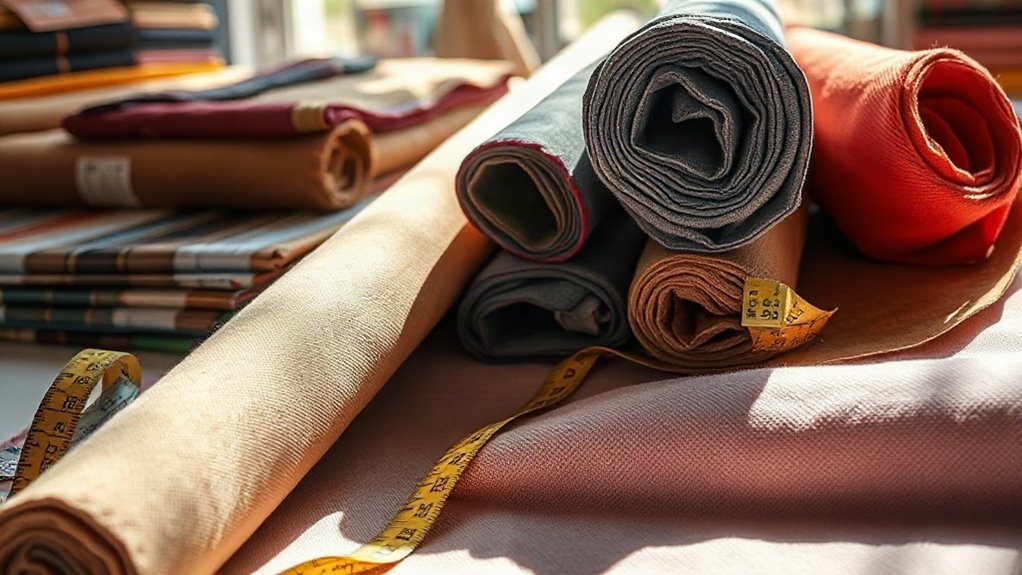
A project with shielding fabric works best when the goal is clear from the start. The final build matters because cuts, seams, openings, and wear can change performance. A few clear checks can keep the process simple and useful. It also makes it easier to reject options that do not fit the planned build.
The sections below cover materials, design, testing, care, and supplier questions in plain English. The textile is only one part of the finished design. In this context, the term usually refers to RF or EMF shielding, not certified X-ray or ionizing-radiation protection. This approach also gives the team a clear reason for every material choice it makes.
For a broader look at related materials, buyers can review Radiation Protection Fabric while building a short list of samples. Use the link as a starting point, then match the exact material to the project specification. The goal is not to chase a perfect fabric, but to find one that fits the whole design.
Brief Overview
- Define the end use before choosing a form of shielding fabric.
- Compare metal-coated fabric with other suitable constructions instead of relying on one product name.
- Look at fabric continuity when that measure supports the planned use.
- For RF shielding cloth, plan seams, openings, overlap, and wear points before the first full-size sample.
- Retain sample notes and care rules so the same choice can be reviewed during a repeat order.
Start With the Frequency or Heat Goal
For RF shielding cloth, look for fabric continuity rather than relying on one broad claim. Shielding results can change with frequency, so the test range matters. A high result at one band does not describe every signal or every use. For RF shielding cloth, lab data normally describes a test sample under set conditions. The finished item may add seams, openings, folds, fasteners, or areas with less overlap.
Those details can create paths where signals or heat move around the barrier. Compare test methods, sample thickness, and frequency points when two products look similar. For RF shielding cloth, if a project is important, test a finished prototype in the same form that customers will use. Clear records make later reorders easier because the team knows what was actually checked. Performance data should fit the way shielding fabric will be used.
What Test Data Can Tell You
If a project is important, test a finished prototype in the same form that customers will use. Clear records make later reorders easier because the team knows what was actually checked. Useful performance data should reflect the way shielding fabric will be used. Look for frequency-specific shielding results rather than relying on one broad claim for the planned build. Shielding results can change with frequency, so the test range matters.
A high result at one band does not describe every signal or every use. For RF shielding cloth, lab data normally describes a test sample under set conditions. The finished item may add seams, openings, folds, fasteners, or areas with less overlap. Those details can create paths where signals or heat move around the barrier. For RF shielding cloth, compare test methods, sample thickness, and frequency points when two products look similar.
Why the Finished Product Can Behave Differently
Record the pattern, seam method, overlap, and care steps used in that sample. For RF shielding cloth, confirm the finished piece in the same way it will be used. Confirm users or production staff about comfort, handling, and weak points. Fix the design before scaling it to a larger run in a real product. For RF shielding cloth, record the final spec so the next order can follow the same path.
A short plan makes a shielding fabric project easier to control. Write down the goal, size, use setting, and expected life of the finished item. Buyers comparing options can also review emf protection curtain as part of a wider material and design check. List the few features that truly matter and separate them from nice-to-have details. For RF shielding cloth, choose a material sample that matches those needs rather than the lowest price alone. Build a small version or one complete sample before placing a large order.
How to Compare Two Options Fairly
For RF shielding cloth, list the few features that truly matter and separate them from nice-to-have details. Choose a material sample that matches those needs rather than the lowest price alone. Build a small version or one complete sample before placing a large order. For RF shielding cloth, record the pattern, seam method, overlap, and care steps used in that sample before bulk work begins. Confirm the finished piece in the same way it will be used.
Confirm users or production staff about comfort, handling, and weak points. Fix the design before scaling it to a larger run. For RF shielding cloth, record the final spec so the next order can follow the same path. A short plan makes a shielding fabric project easier to control. Write down the goal, size, use setting, and expected life of the finished item.
Frequently Asked Questions
Does thicker shielding fabric always work better?
No. Thickness alone does not show how well a functional textile will work. Fiber, coating, weave or knit, and the target condition can all matter. A light mesh may suit one job while a dense woven cloth suits another. Compare data from similar test conditions. Also review seams and openings in the finished design.
Why test the finished product as well as the fabric?
A swatch is tested as a flat sample, but a finished item adds seams, hems, folds, closures, and open edges. Those details can change the result. A complete-piece test gives a better view of real use. It can also reveal design issues before bulk production. Retain the method and sample details with the project record.
What information should a supplier provide for shielding fabric?
Useful details include composition, construction, width, weight, care rules, and relevant test information. Ask whether the item is stock or custom. Confirm the sample code and the bulk specification. For repeat work, also ask how changes in yarn, coating, or base cloth are controlled between batches.
What should I check first when buying shielding fabric?
For RF shielding cloth, begin with the end use, coverage area, and main functional goal. For RF shielding cloth, inspect material form, width, weight, and care needs next during sample review. For RF shielding cloth, look at fabric continuity if it supports the job. For RF shielding cloth, a sample can show feel, stretch, surface finish, and edge behavior. For RF shielding cloth, if the fabric will be sewn, make one finished piece before a large order.
How should shielding fabric be cleaned?
For RF shielding cloth, cleaning depends on the exact construction. For RF shielding Radiation Protection Fabric cloth, many coated or conductive textiles need mild washing and should avoid harsh bleach. For RF shielding cloth, high heat may harm some finishes or stretch fibers during sample review. For RF shielding cloth, follow the care guide for the exact item. For RF shielding cloth, if the material is inside a finished product, add clear care notes to the label or instruction sheet.
Summarizing
A clear buying process makes Radiation Protection Fabric much easier to assess. Define the job first. Compare the material form, usable width, handling, care, and the test information that matters to the project. Make a realistic sample and include the same seams or openings planned for production. That approach gives the team a better basis for a bulk decision.
After approval, save the sample and write down the exact build details. Note the supplier code, construction, and checks used during review. These simple records help with repeat orders and quality control. They also make it easier to spot changes later. Good results come from matching shielding fabric to the design and checking the complete item.
❧